The last two weeks have been incredibly difficult and overwhelming. I am in the middle of trying to schedule two surgeries, very specific and necessary ones, and balance other priorities in my life. Medical insurance is such a pain, always deciding who, what, and when things happen, even to the extent if you truly “need” it or not. You would think picking an expensive, private policy that requires many in-network doctors and facilities, would get me in anywhere at any time….
Chronic illness certainly teaches you to never get your hopes up.
I have spent the last few days replaying it all in my head, feeling the weight of it, and letting myself actually sit in those emotions instead of brushing them off. It made me think a lot about all the things people don’t see, the moments behind closed doors when someone looks fine, but usually feels far from it.
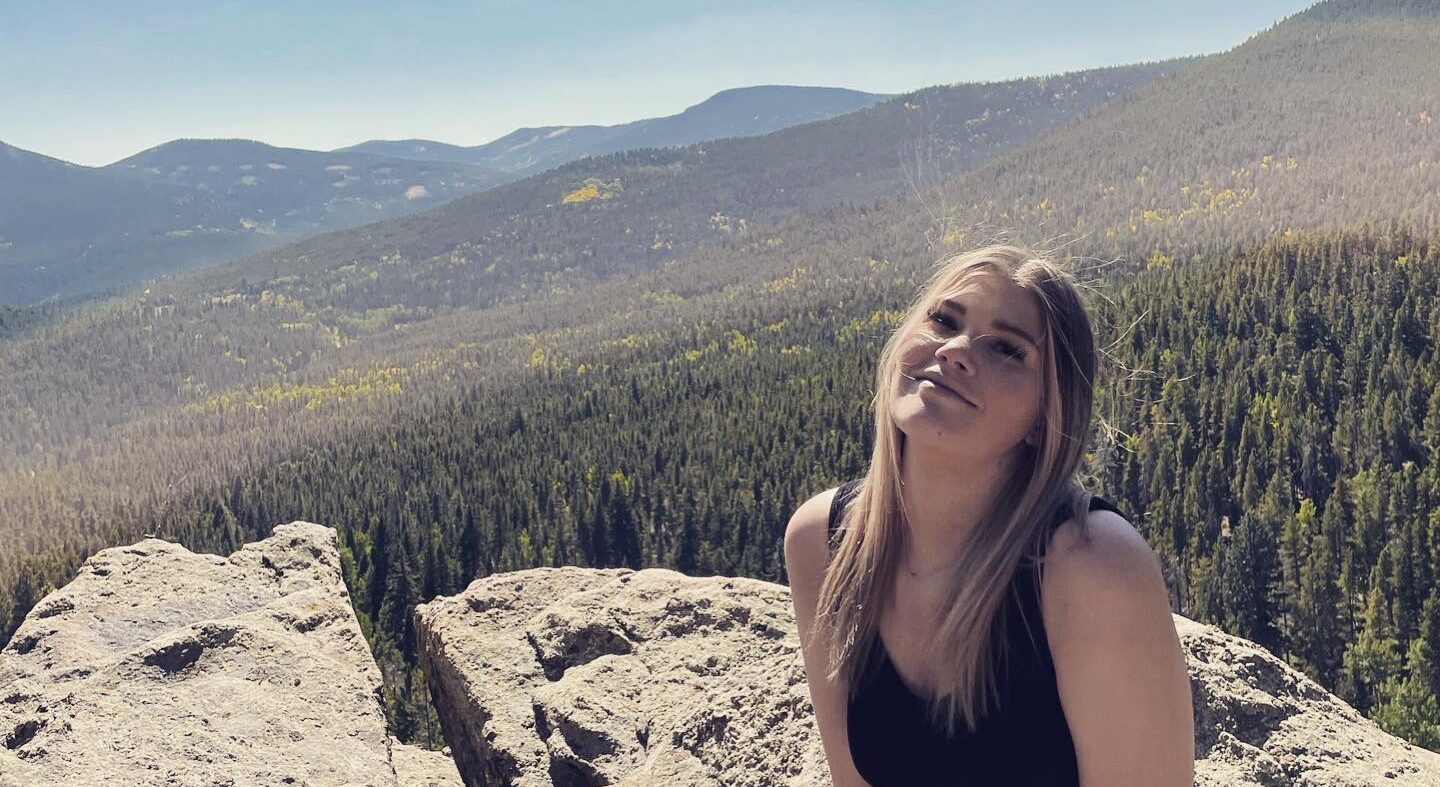
People often see the smile, the outfit, the post, the “good day.” They see me out in the world, talking, laughing, working, and assume that I am okay or are entirely unaware that I anything could ever be wrong. What they don’t see is what comes after; the exhaustion, the weakness, the intense recovery to try to do it again tomorrow. Living with chronic illness means becoming fluent in contradiction and ambiguity.
I do want to say, even though I struggle every day, I don’t want it to sound like my life is unendurable or that I have nothing encouraging to hold on to. There are still moments every day that make me laugh, smile, and feel joy, even on the hardest days. My life is full of people I love, and those moments of light are what keep showing up and tell me to keep finding bits of peace wherever I can. Being strong is the only option I have.
Chronic illness takes things. It takes stability, energy, time, friendships, and often, pieces of who you used to be. You lose dreams that once felt definite, hobbies that once brought joy, and sometimes the sense of shelter within your own body. There’s a quiet kind of grief in that; saying goodbye to a version of yourself that once existed.
Sometimes, when it’s too much, my body shuts down. I used to see it as a flaw or my powerlessness to keep fighting, but it really is survival. It’s called the freeze or collapse response. My nervous system’s way of protecting me from overload. Instead of fighting or running, my body chooses to conserve what little energy it has left. It’s my brain saying, “You’ve done enough for now.” I used to fight that shutdown because I could not, and would not, let others see me as anything but ordinary. Now, I recognize it for what it is; a sign that I’ve been doing my best for too long.
“You were fine yesterday.” That phrase stings every time. That’s the thing about chronic illness that many don’t understand. It changes instantaneously. There’s no warning, no pattern, no stability. One day I can go to work, eat, laugh, and move through my day. The next, I can barely get out of bed. I have had to accept this as my reality, and for many of us, functioning through pain isn’t a choice. If I stopped every time I was struggling, I would never do anything at all.
Chronic illness reveals who your people are. The ones who check in, who communicate, who give you space when you need it and closeness when you crave it. The ones who try to understand, and probably never will, but make the effort to just be there. Those are the people worth keeping. The ones who remind you that your worth isn’t measured by your energy, productivity, or ability to show up. Canceling plans, resting, or needing space is common in this existence, but no one prepared me for when people judge you for being better, for living. When they say things like, “you were just complaining about being sick, how are you out doing things?” or “you’re not giving yourself what you need”, it reduces your illness to something conditional, as if living and illness can’t coexist. Those people truly don’t need to be there.
The disappointment of losing people is inevitable. When people fade or change, it’s easy to believe it’s all your fault. You start wondering if you asked for too much or if you have become too hard to be around. It always felt like a me problem. Over time, you realize it’s not about blame, it’s about capacity. Some people can only meet you at a surface level, while others will step deeper into the hard parts with you. Chronic illness reveals the depth of others’ empathy and compassion.
Setting boundaries becomes a form of survival and the way people react to that tells you everything. Their discomfort, distance, or defensiveness isn’t a reflection of your worth, but proof that boundaries were necessary. The people meant to stay will respect your limits, hold your hand through the hard stuff, and still see you, not your illness.
Living with invisible illness isn’t about seeking sympathy or pity. It’s about bringing light to the realities no one talks about and reminding others that what you see isn’t always the whole story. I tell myself every day that there is always “someone struggling more than me” and I think it is important to remember you never know what someone may be going through. Maybe, in sharing mine, someone else feels less alone in theirs.
Thanks for reading.
Comments
2 responses to “The Things You Don’t See”
I love this vulnerability Abs. Even six months ago, I’m not sure you would have been able to speak your truth, and it matters. Even for some of us that are with you every day, every minute, and every hour must be reminded that there are things we do not see or can assume. You are right keep sharing your thoughts and keep sharing your feelings, because somebody out there also needs the encouragement and the space to do it themselves!
Thanks mom ☺️ it’s been very eye opening and healing.