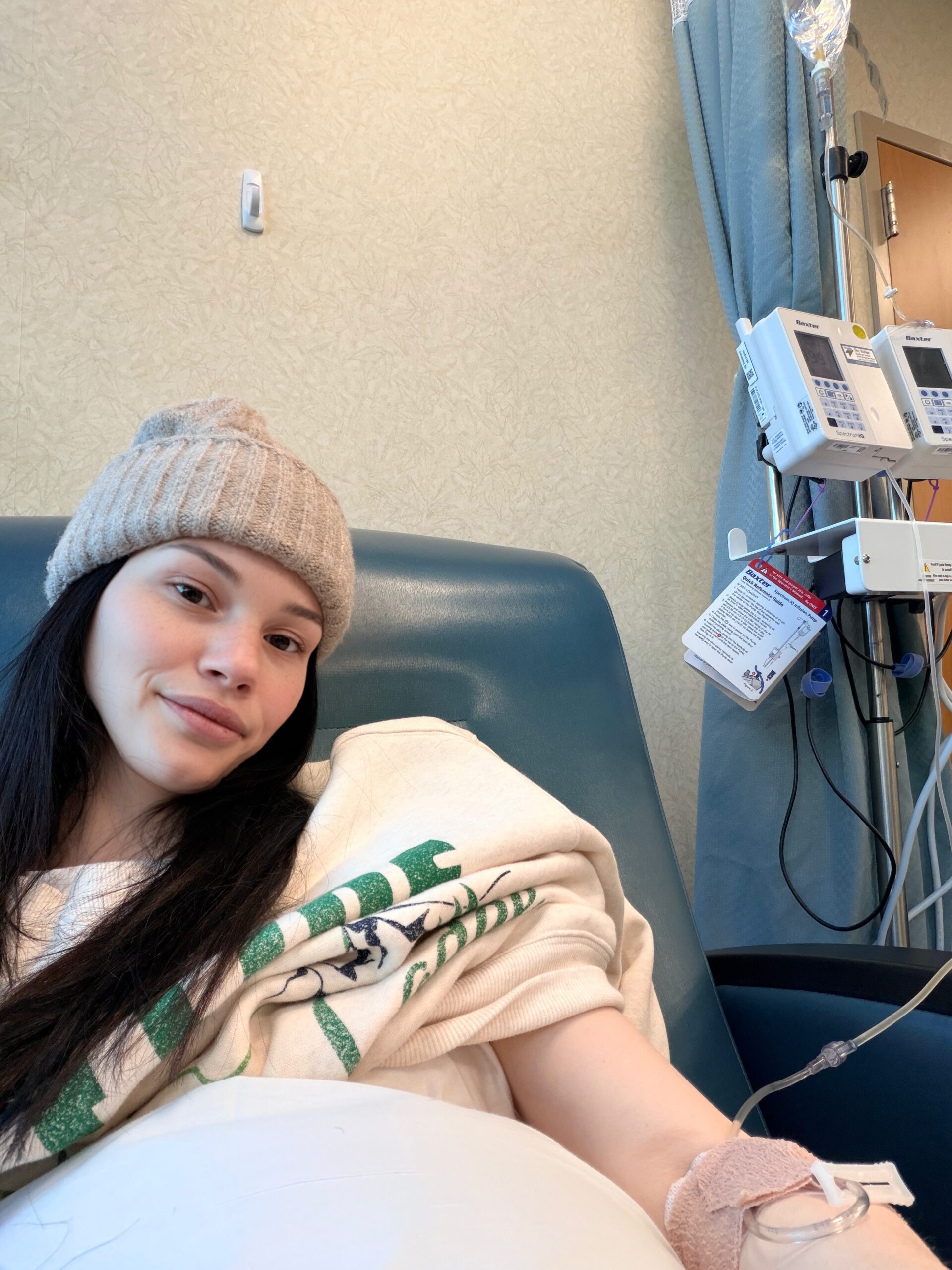
I’ve been navigating chronic illness for most of my life. Twenty-six years in, I’ve learned a great deal, but I also know I’ll never stop learning. Medicine evolves, bodies change, and experience continues to teach you things no textbook ever could. This isn’t a medical guide or a definitive list. It’s a reflection of what I’ve learned so far, along with resources that helped me feel more informed, supported, and less alone at different points in my journey, especially when my journey includes multiple illnesses and challenges. If you’re early in yours (or somewhere in the middle), I hope this offers a place to start, or at least reassurance that you don’t have to figure everything out at once.
Lessons I’ve Learned
After years of navigating diagnoses, treatments, setbacks, and small wins, I’ve learned that while medicine is powerful, the hardest lessons often have very little to do with medicine itself.
Progress isn’t linear. Improvement doesn’t happen in a straight line, and setbacks don’t erase what you’ve accomplished before. Those of us living with chronic illness don’t often get to feel “done,” and it can feel like we’re always waiting for the other shoe to drop. Being pain-free and having flares can exist in the same place. You can make progress and struggle and still get better.
Self–validation matters. Not every symptom shows up on a test, and not every experience is understood. Learning to trust my own lived reality has been essential, especially in a system where gaslighting exists. If you feel different, sicker, or like something isn’t right, you’re not imagining it.
Advocacy works best when you start early. Asking questions, speaking up, and seeking clarity from the beginning saves time, energy, and frustration later. I can’t count how many times I was talked over or had my feelings questioned while I sat quietly. I regret every one of those moments. Advocacy didn’t come naturally to me, it became a skill I had to learn. We deserve to be heard, and we deserve care that meets our needs. Oh, and YOU ARE NOT CRAZY.
Not all doctors are good doctors. Credentials don’t always equal quality care. Finding providers who listen, explain, and respect your experience makes a significant difference. I’ve also encountered doctors who weren’t up to date on new treatments, technology, or symptom presentation. A doctor who admits they don’t know what to do, and refers you out, is often a better doctor than one who tries to manage something beyond their expertise. Referrals and second opinions are not failures. Go to 10 different doctors if you have to.
Rest when you need to. Play when you want to. Listening to your body doesn’t mean giving up joy. Both rest and movement have their place and neither needs justification. Listening to your body doesn’t mean giving up joy. Rest and movement both have their place, and neither requires justification. I used to resist slowing down because I was afraid I’d never get back up. I saw rest as falling behind. Now I understand that rest is part of care, not the opposite of it. The same goes for play; go to the party, go swimming, go to the concert. Listen to your body, but please experience life. Those who judge you for sleeping too long or staying out too late don’t get to dictate how you should live your life or your ability to take care of yourself.
Comparison isn’t helpful. Every journey looks different. Progress only makes sense when measured against your own baseline and not someone else’s timeline. This is something I am ALWAYS struggling with. Chronic illness or not, we’re human, and comparison only surfaces insecurities and disappointment. If you’re doing the best you can, that matters.
Not every treatment is right for you. This is an extension from above and something I’ve become increasingly passionate about. What works for one person may not work for another. Online advice can be helpful, but it should never replace research, conversations with your care team, and your own intuition. Explore options thoughtfully without pressure or outside influence. Most chronic illnesses are extremely complex and all of our systems are unique. Explore every avenue without the influence of others.
Be open to sharing even when it’s uncomfortable. If I could go back to any school age, I would. I hid everything because I thought it was the best way to make friends and seem “normal.” Connection, understanding, and support often come from honesty, even when it feels vulnerable. I know people can be unkind but giving others the chance to understand can change the outcome. I can say the same now. I’m 34, and choosing to share. Even this blog has brought more support and compassion than I ever expected. I’m deeply grateful I started writing.
These lessons didn’t come all at once, and I’m still learning many of them. They’ve shaped how I approach care, information, and the decisions I make for myself moving forward. More than anything, they’ve reminded me that while guidance and support matter, trust in my own experience has been the most consistent and valuable tool I’ve had along the way.
Thanks for reading.